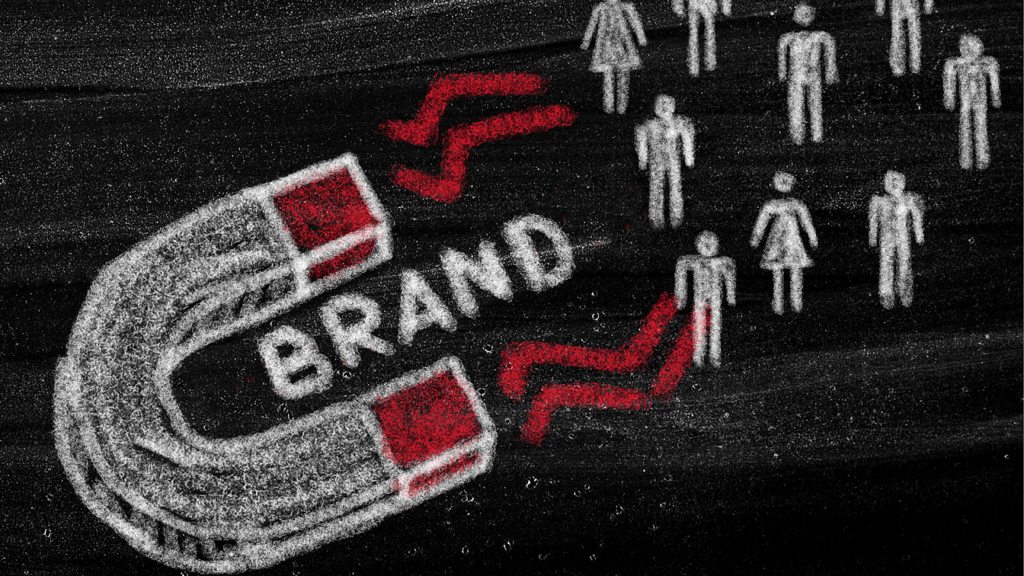
Personal branding is no longer just about good photos and clever captions. Today, entrepreneurs are turning to AI to shape their voice, sharpen their message, and show up online with more confidence. AI-powered tools help plan content, write posts, study audience needs, and stay consistent across platforms. This means less guessing and more impact. Even solo founders can now build strong, clear brands without big teams or long hours. The result is a more focused presence that feels real and intentional.
In this guide, we explore how AI is changing personal branding, why it matters for modern entrepreneurs, and how smart use of these tools can help you stand out, connect, and grow faster.
Why You Can’t Keep Ignoring AI
Most founders get it. Branding matters. But consistency across platforms? That’s where things fall apart. You’re knee-deep in product development, investor pitches, hiring decisions,content creation lands on the mythical “someday” pile.
AI rewrites this entire scenario.
Finally, An Answer to the Execution Nightmare
Let’s be honest: personal branding isn’t rocket science. It’s just relentless. Those daily LinkedIn updates, weekly newsletters, podcast bookings, speaking gigs,the sheer volume breaks even the most motivated entrepreneurs. AI shoulders the repetitive grunt work. You focus on what genuinely needs your brain: original insights and real human connections.
Today’s entrepreneurs wear seventeen hats simultaneously, often managing global operations while bouncing between continents. Picture this: you’re breaking into new markets, attending conferences halfway around the world, yet you need to stay visible. That’s where something like a reliable turkey esim service becomes your secret weapon,you’re never offline, posting updates and engaging with your audience no matter which airport you’re stuck in. This kind of seamless connectivity fuels the always-on presence modern business demands.
What AI Actually Handles
Think of AI as your tireless branding assistant. It identifies which content hits home with your audience, pinpoints optimal posting windows, and drafts articles or social updates in your style. You remain the architect and editor-in-chief. You’re just not drowning in busywork anymore.
The Tech Stack Behind Your AI Brand
Several AI capabilities combine to build your entrepreneurial presence. Here’s what actually moves the needle.
Content Creation That Doesn’t Suck
Natural language processing has evolved dramatically. AI drafts blog posts, social captions, and newsletters that sound surprisingly human. Tools like ChatGPT and Claude adapt to your writing patterns, generating first drafts that increasingly mirror your voice. You’ll edit and inject personality, but starting with substance beats staring at blank screens.
Visual Consistency Without Hiring Designers
Your headshots, graphics, and video thumbnails need professional cohesion. AI design tools generate brand-aligned visuals instantly. Platforms like Midjourney and Canva’s AI features deliver polished imagery without design degrees or agency retainers.
Audience Intelligence That Actually Guides You
This is where AI earns its keep: predictive analytics. These systems decode engagement patterns, revealing topics your audience craves, peak activity windows, and winning content formats. You’re making informed bets instead of throwing spaghetti at walls.
Your 90-Day AI Brand Blueprint
No massive budget required. No coding skills needed. Here’s what works.
Weeks 1-2: Laying Groundwork
Audit your current presence ruthlessly. What resonates? What’s scattered and inconsistent? Deploy AI tools to analyze existing content and spot gaps. Organizations boosting execution capacity see 77% profitability gains. Solid foundations pay off.
Define your core message and audience with precision. AI needs clarity about who you’re reaching and what you’re saying. Document your unique angle, key topics, and voice guidelines.
Weeks 3-6: Building Your Content Engine
Focus on repeatable systems. Select AI tools for writing, design, and scheduling that mesh with your workflow. Most entrepreneurs thrive with a minimal stack: one writing assistant, one design platform, one scheduler.Establish three to five content pillars,topic areas you’ll consistently explore. AI suggests relevant subtopics and questions your audience actively searches.
Weeks 7-10: Scaling Across Channels
Now you’re amplifying what works across LinkedIn, Twitter, newsletters, and beyond. AI repurposing tools transform single pieces into multiple formats. Record one ten-minute video about an industry shift, and AI generates blog posts, social snippets, quote graphics, and email content from that recording.
Weeks 11-12: Measuring and Refining
Analyze what drives results. AI dashboards reveal which content generates leads, builds credibility, or increases traffic. Double down on winners. Adjust losers.
Essential Tools to Launch
Skip the overcomplicated tech stack. Start here.
Content Creation: ChatGPT or Claude for writing support. Free tiers work great initially.
Design: Canva’s AI features or Midjourney for custom visuals. Canva’s free plan handles most needs.
Analytics: Social platforms now include basic AI insights. Start there before buying specialized tools.
Scheduling: Buffer or Hootsuite with AI optimization features maintain consistency without manual posting.
Staying Authentically You
The biggest fear? Sounding like a soulless bot. Here’s how you avoid that trap.
The 70-30 Split
Let AI handle roughly 70% of mechanical work,drafting, formatting, scheduling, data analysis. You provide the critical 30%: personal stories, unique perspectives, editorial judgment, human warmth. This balance preserves authenticity while gaining efficiency.
Your Stories Can’t Be Replicated
AI cannot recreate your specific failures, breakthroughs, or hard-won lessons. These personal elements make your brand stick in people’s minds. Use AI for surrounding infrastructure, but always inject genuine experiences and real perspectives.
Results from Founders Already Winning
Entrepreneurs using AI branding strategies report dramatic shifts. One SaaS founder exploded from 2,000 to 45,000 LinkedIn followers in eight months using AI systems. A consultant slashed content time by 60% while doubling engagement.
These aren’t flukes. Remove the execution bottleneck strangling most branding efforts, and sustainable consistency becomes realistic.
Mistakes Worth Avoiding
Don’t automate everything until you sound robotic. Humans connect with humans, not sanitized corporate-speak. Edit AI content before hitting publish.Don’t treat AI as a creativity replacement. It amplifies; it doesn’t substitute. Your judgment, taste, and unique lens remain irreplaceable.
Your Immediate Action Steps
Start modestly. Choose one AI tool and one platform this week. Maybe use ChatGPT to draft three LinkedIn posts about familiar topics. Or test Canva’s AI creating consistent visual templates.The entrepreneurs dominating personal branding in 2025 aren’t those with unlimited budgets or infinite time,they’re the ones who learned to work smarter by letting AI handle what it excels at.
Common Questions Answered
Will this make my brand feel generic?
Only if AI does everything. When you use AI for drafts and mechanics while adding personal stories and perspectives, your brand stays distinctly yours with far less effort.
What’s the cost?
Start with free tools like ChatGPT and Canva. Most entrepreneurs spend $50-100 monthly on quality paid options when scaling beyond free tiers.
Does AI replace marketing teams?
For solopreneurs and early founders, AI handles tasks you’d otherwise outsource. As you grow, AI augments teams rather than replacing them, boosting productivity across the board.
Making This Work for You
Personal branding doesn’t require consuming your entire existence. With AI managing repetitive tasks, you build the authentic, consistent presence attracting investors, customers, and opportunities,without sacrificing time needed to actually grow your business. The choice? Keep drowning in content demands, or let AI handle the heavy lifting while you focus on being memorably, authentically you.